By Tom Condon
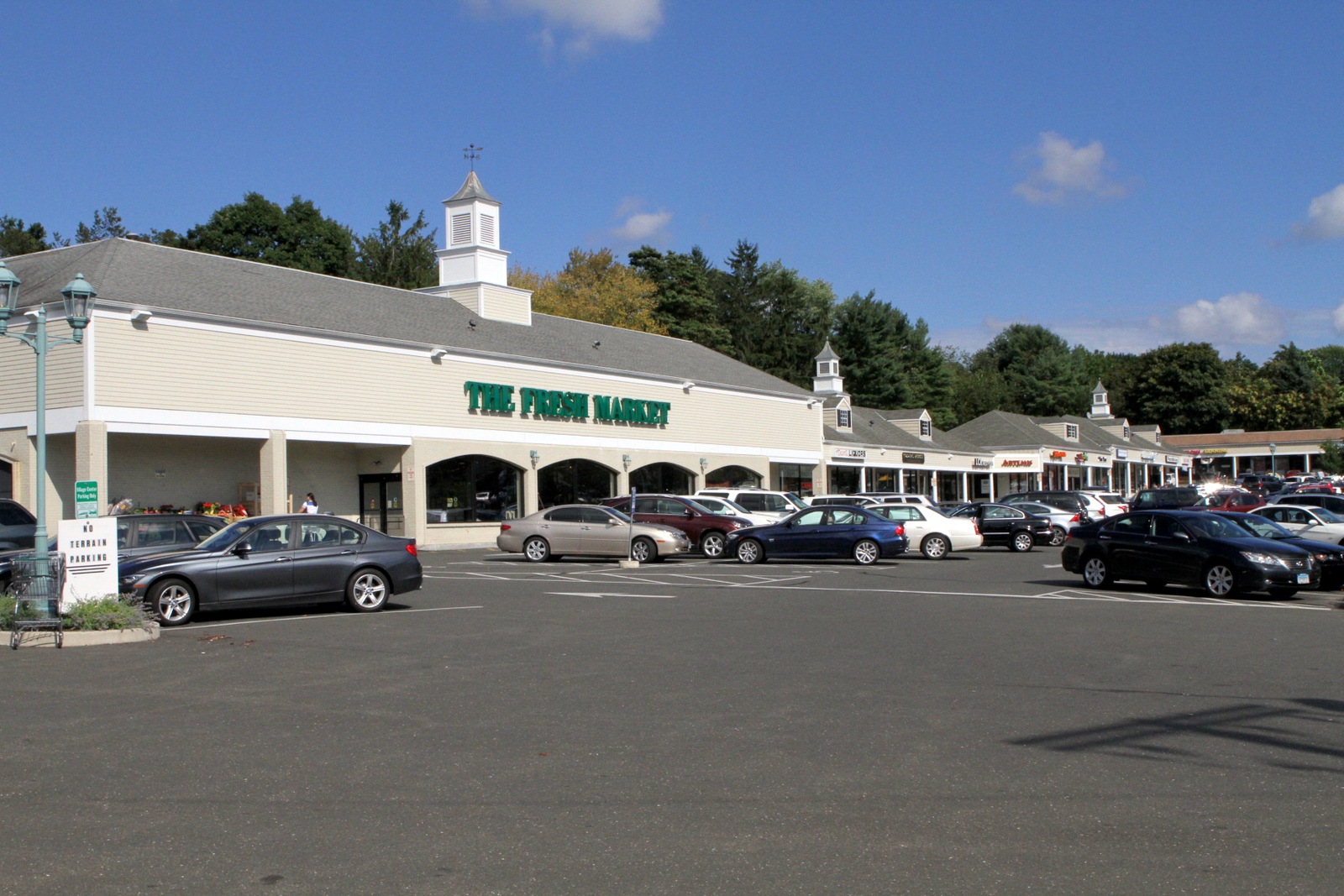
Dixwell Avenue in Hamden is an inelegant and jumbled commercial strip, a paean to post-World War II planning, a hurried venue for cars where pedestrians or bike riders venture at considerable risk. For example, at the 1950s-era Hamden Plaza, diners leaving Panera Bread on one side of the mall often find the parking lot so vast and uninviting that they get in their cars to pilgrimage to Ashley’s Ice Cream on the other side.

Hamden Plaza on Dixwell Avenue in Hamden. (CLICK TO ENLARGE) Tom Condon/Ctmirror.org
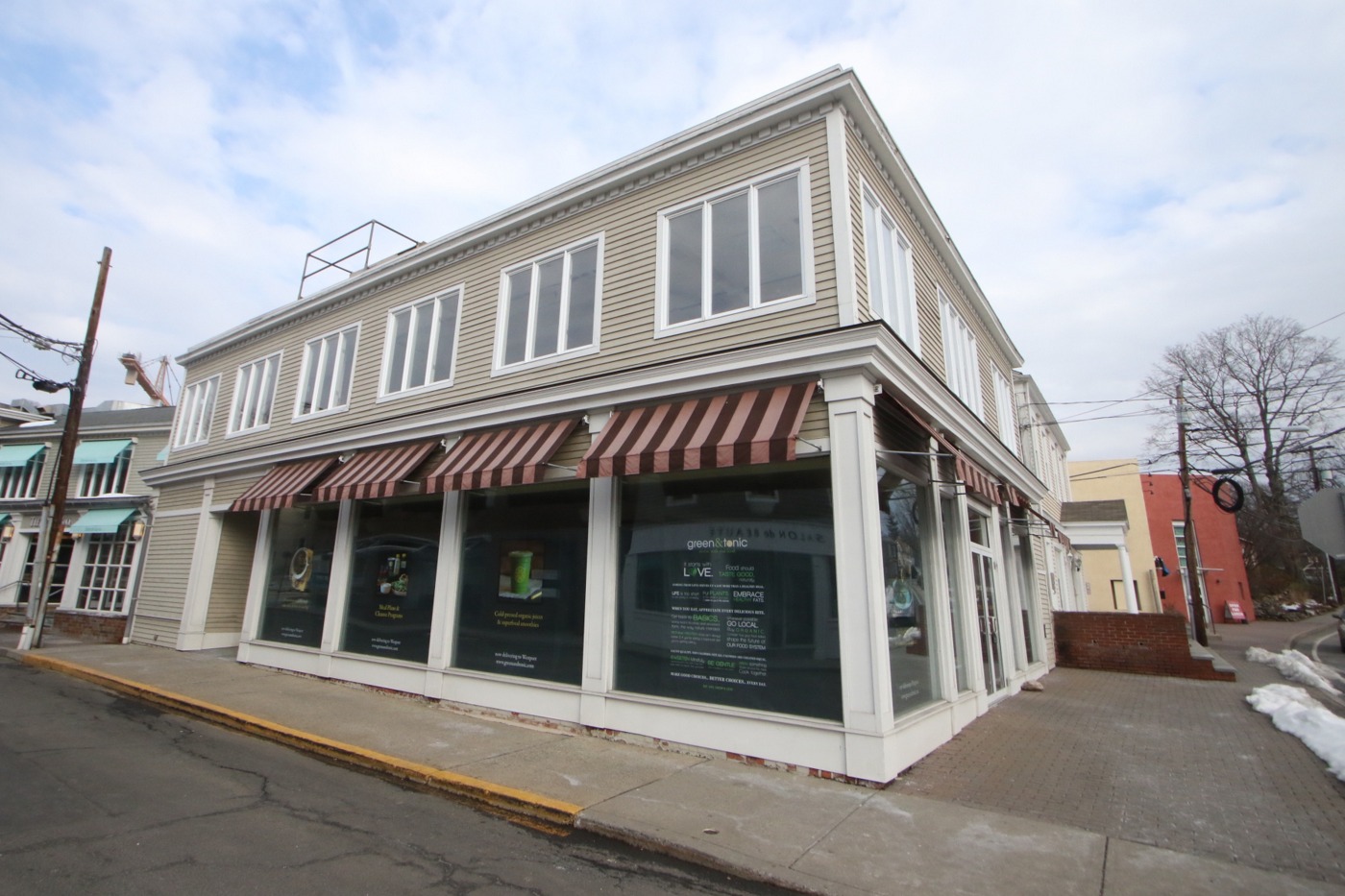
But over time Dixwell and Hamden’s other two major commercial thoroughfares, State Street and Whitney Avenue, may take on a friendlier look and scale; indeed Whitney already is.
Hamden has joined a quiet revolution going on across the country in an area not usually associated with revolutionary fervor: zoning. Instead of focusing on what a building is used for, as traditional zoning does, the new approach, called “form-based zoning,” concentrates on what a building looks like — its form — and how it relates to the street and the neighborhood.
Advocates say the focus on the physical form of buildings encourages diverse, attractive and walkable streets, protects the character of neighborhoods and encourages development by making it more predictable and less administratively cumbersome.
Click here for more of story